Slot Volatility Explained: Why Big Wins Aren't Always Better

Players spend hours chasing jackpots on games they don't understand. They bounce from one flashy slot to the next, convinced the next spin is the one, and never stop to ask the most important question in the entire session: does this machine's payout structure actually match how I want to play? That question has a name, and it's volatility. Ignore it and you're gambling blind. Understand it and you're making a decision instead of buying a lottery ticket with extra steps.
Slot volatility — sometimes called variance — describes how a game distributes its payouts over time. Every slot has a theoretical Return to Player percentage, usually somewhere between 94% and 97%. That number tells you what fraction of all wagered money returns to players across millions of spins. What it doesn't tell you is how that money comes back.
A low-volatility slot might return that 96% in a steady drip of small wins. You hit frequently, often enough to keep your balance hovering around where you started. A high-volatility slot returns the same 96% but delivers it in rare, violent bursts. You can spin 400 times with almost nothing, then hit a 1,000x multiplier that wipes out the drought in a single moment. There is a useful overview at L'Avenue Dubai.
Neither style is objectively better. They appeal to completely different temperaments and bankrolls. The mistake is sitting down at a game whose rhythm fights your instincts.
Most providers classify games loosely into three buckets. Here's the practical breakdown:
Most modern slots show volatility in the game info panel or paytable. If it's not displayed, check the provider's documentation or any reputable review site before depositing. Ten seconds of research beats an hour of confusion.
This is where most players get it backwards. They pick the game by theme or aesthetic, then wonder why their €50 vanished in eleven minutes.
Here's a workable rule. Decide your session bankroll first. Then match volatility to it. A simple framework:
On a €100 bankroll, a €0.20 stake on a high-volatility slot gives you 500 spins of runway. That's real. That same bankroll at €2 a spin gives you 50 spins — a coin flip disguised as entertainment. High volatility demands patience and depth. Without both, you're just donating.
Variance isn't a slot-only concept. It runs through every corner of iGaming, and recognizing it makes you sharper everywhere.
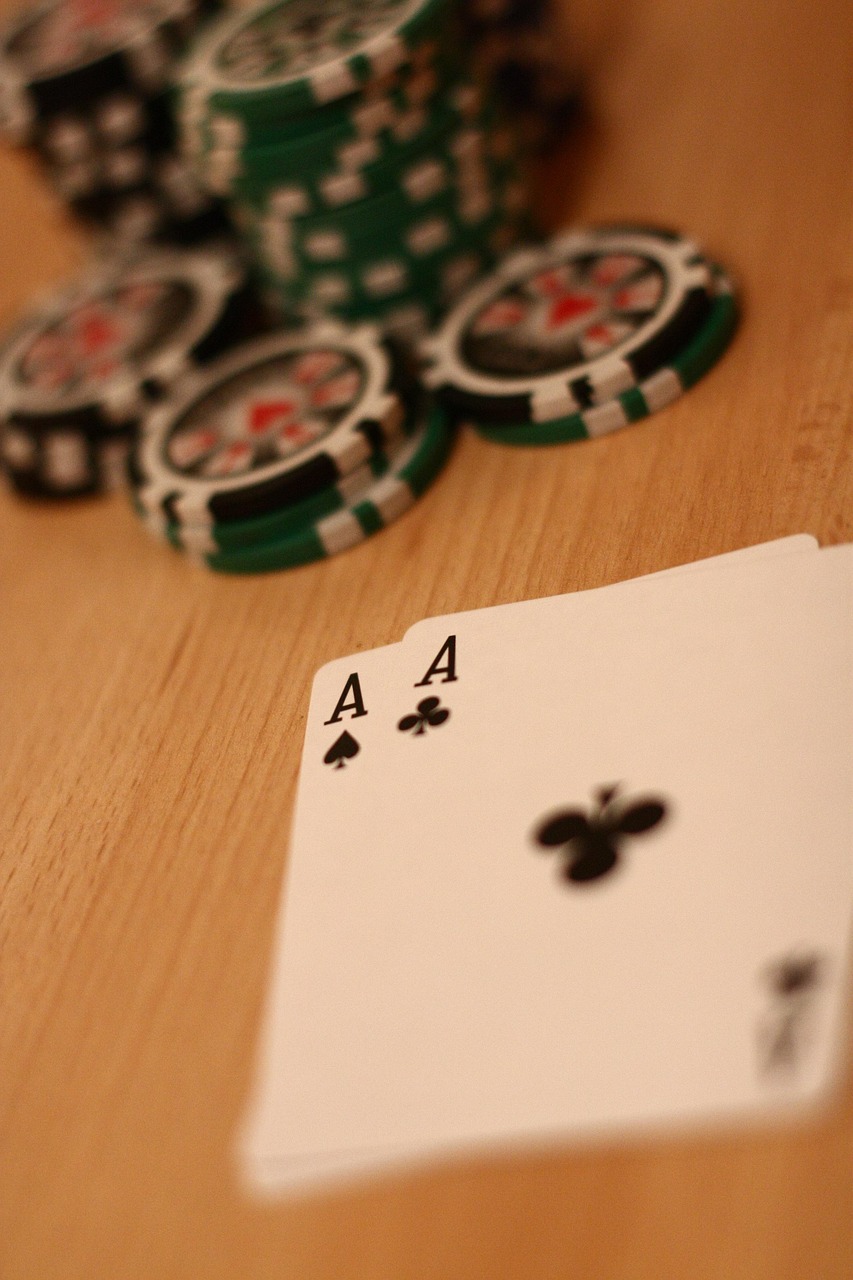
In poker, a tournament player grinds through hours of quiet stacks waiting for a double-up. That's high variance. A cash-game grinder picking up small pots with disciplined play is running low variance. Neither is "right" — but a player with three buy-ins to their name should not be entering 500-player turbo tournaments and expecting to survive the swings.
Sports betting shows the same split. Backing heavy favorites at 1.20 odds is low variance with thin margins. Betting longshots at 15.00 is high variance with fat potential. A punter who only bets favorites needs a huge number of wagers to see the edge materialize. A punter chasing longshots needs deep pockets and a tolerance for red weeks.
Everywhere in this industry, the same principle holds: reward scales with variance, and variance demands capital. If you don't have the capital, don't chase the reward.
Theory is fine. Here's what to actually do at the table or machine.
One more thing: bonus buy features amplify volatility dramatically. Buying a free spins round for 100x your stake concentrates the entire game's variance into one event. It's thrilling. It's also the fastest way to zero if your bankroll isn't prepared.
Chasing the biggest advertised max win on every game is like buying scratch cards because one of them once paid out a house. The number is real, but the odds attached to it are brutal, and the players who hit it usually had the bankroll to survive the road there.
The smarter approach is boring and effective: understand your own tolerance for dry spells, size your stakes accordingly, and pick games whose volatility curve matches your budget and your patience. Low volatility isn't for cowards. High volatility isn't for heroes. They're just different tools, and the players who last — in slots, poker, or betting — are the ones who know which tool fits the job in front of them. Do that, and you'll stop feeling like the machine is against you and start treating it like what it is: a game with math behind it, and math you can plan around.