The Real Difference Between Luck and Skill in Online Casinos
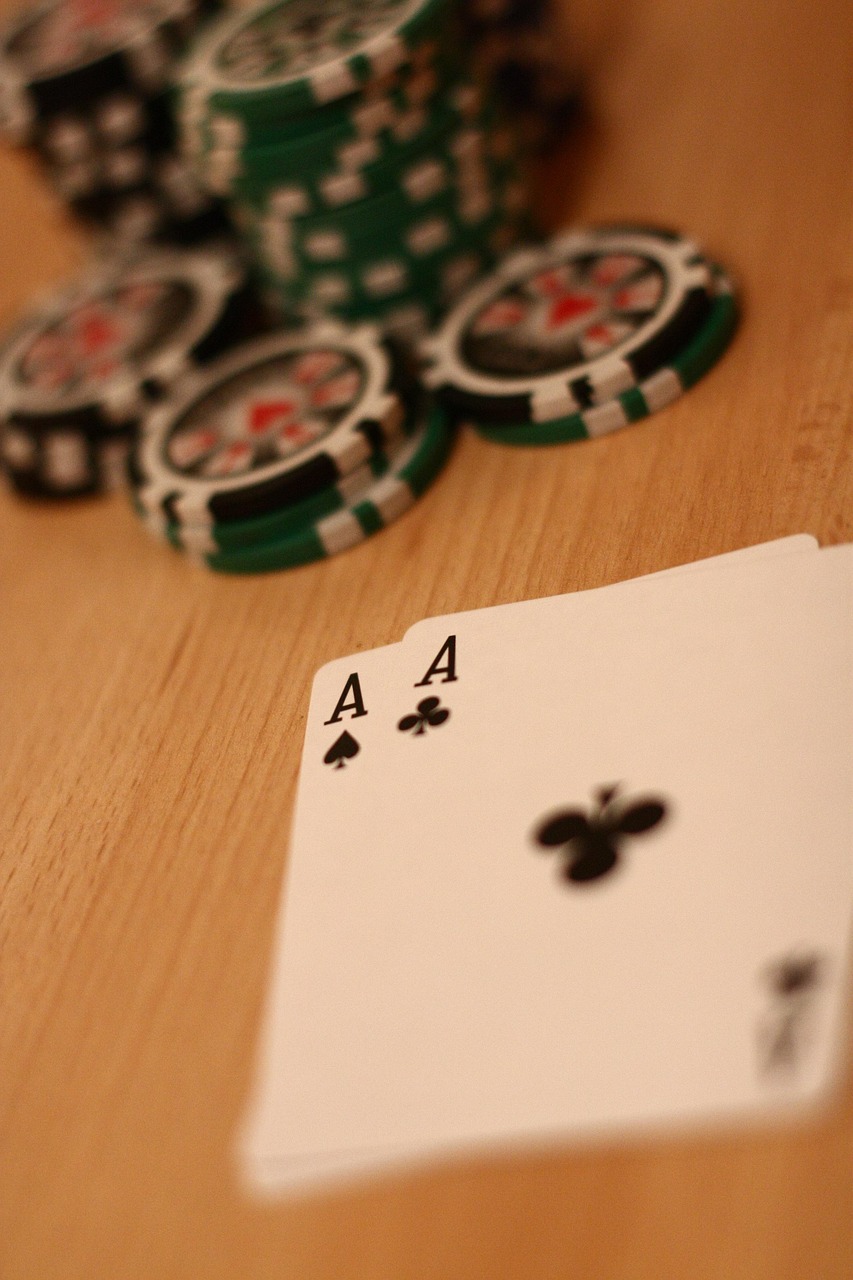
Ask ten gamblers why they lost last night and you'll get ten different stories. The slot player blames a cold machine. The poker regular mutters about a bad beat on the river. The sports bettor swears the refs rigged the over. Meanwhile, the guy who actually walked away up insists he "felt it coming." This is the strange psychological chasm at the heart of iGaming: we all know the math, yet we behave as though the games reward something more than random chance. Understanding where luck ends and genuine skill begins is not just academic navel-gazing. It changes which games you play, how much you stake, and whether you leave the table richer or just entertained.
The iGaming industry lumps everything from live roulette to Texas Hold'em under one roof, but the underlying mechanics couldn't be more different. Slots and most casino table games are what statisticians call closed systems. Every spin on a modern video slot is governed by a random number generator, and each result is independent of the last. A slot with a 96% return-to-player rate will, over millions of spins, return 96 cents on every dollar wagered. That number is fixed. No hot streak, no cold streak, no "due" jackpot. The house edge — typically 2% to 8% on slots, 2.7% on European roulette, 1.4% on blackjack with basic strategy — is baked in.
Poker and sports betting flip this model upside down. In a cash game or tournament, you aren't playing the house at a fixed disadvantage. You're playing other humans, and the house simply takes a rake. Over time, the more skilled player extracts money from the weaker one. This is why a professional poker player can grind out a living year after year while a professional slots player cannot exist in any meaningful sense. The variance is real in both, but only one has a long-term skill gradient.
The human mind is a pattern-recognition machine that evolved to spot predators in tall grass, not to intuit probability. This misfiring shows up constantly in iGaming behaviour. Psychologists call it illusion of control: the belief that choosing your own numbers, tapping the screen at the right moment, or pulling a lever "just so" influences an outcome you have zero influence over. Casinos have monetised this instinct for decades — free spins that let you "pick" a bonus, animated reels that nearly line up, and near-miss sound effects that trigger the same dopamine circuits as an actual win. We found mahjong slot to be a handy reference here.
There is also the gambler's fallacy, the stubborn belief that red is "due" after eight blacks in a row. Each spin of a roulette wheel is independent. The wheel has no memory. If that sounds obvious, consider that high-street bookmakers take millions every weekend from punters who genuinely believe a striker who hasn't scored in five games is somehow more likely to score today. That last one is at least debatable in sports — form, injuries, and tactics matter — but the underlying statistical trap is identical.
Skill in iGaming is real, but it is narrow, boring, and unglamorous. It looks nothing like the movie version. It looks like this:
Notice what's missing: hunches, gut feelings, hot machines, and lucky charms. The genuinely skilled iGaming participant treats the activity like a part-time job with a spreadsheet. The recreational player treats it like a night out. Both are fine, but confusing the two is where the trouble starts.
Here's a number worth tattooing on your forearm. If you play a game with a 3% house edge and place 1,000 bets of one unit each, your expected loss is 30 units. Standard deviation on a typical slot is enormous — around 5 to 10 units per spin — which means in any given session, luck completely drowns out the expected value. You might be up 200 units after an hour and feel like a genius. You might be down 400 and feel cursed. Neither outcome tells you anything about your skill or the machine's mood.
This is why short-term results in pure-chance games are essentially noise. Only over an enormous sample does the house edge grind its way to the surface. In skill games, the opposite is true: 10,000 poker hands is enough to reveal whether you're actually beating your stakes or simply running above expectation. Serious players track every session, mark every variance swing, and know their true win rate to within a fraction of a big blind per hundred hands.
None of this means you should quit slots or avoid the roulette wheel. It means you should know which side of the ledger you're on.
The iGaming world is not a monolith. It is a spectrum that runs from pure, unapologetic lottery-style randomness all the way to games where a genuinely smart, disciplined player can grind out a long-term profit. The tragedy is not that people lose money in chance games — that is the price of admission, clearly advertised in the RTP. The tragedy is that people lose money in skill games while telling themselves they got unlucky, and lose money in chance games while telling themselves they're getting better. Know the difference, respect the maths, and you'll enjoy the industry far more — and pay far less for the privilege.