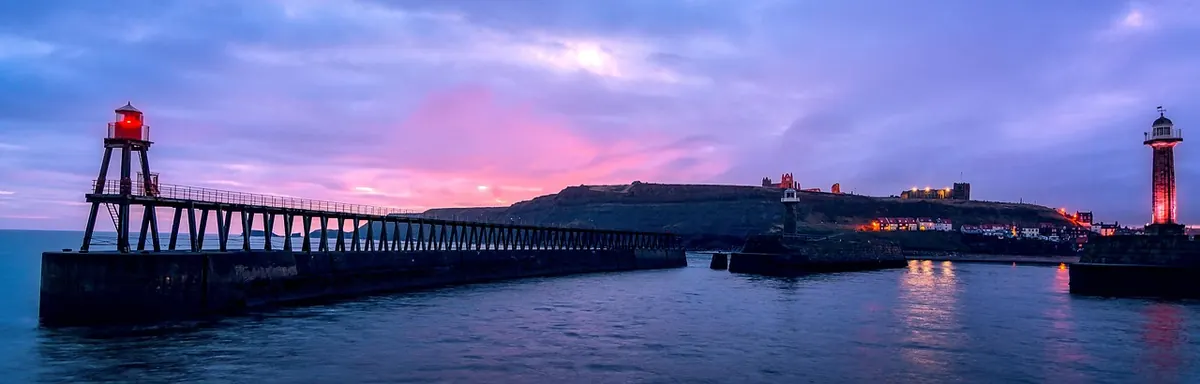
Seasonal Waterfront Event Planning: A Month-by-Month Checklist for Harbour Quarter Hosts
A party on a harbour terrace is a different animal from a party inland. The tide does not care about your schedule. The wind arrives at four o'clock as if it booked itself in. Salt gets into the glassware, the hinges, the cake. And yet, done well, there is nothing like it — guests arriving by dinghy, light coming off the water, a long table that everyone remembers. The difference between a pleasant evening and a genuinely good one is almost always work that happened weeks or months earlier. What follows is a year-long rhythm for hosts at Harbour Quarter: when to chase permits, how to build weather plans you will actually use, and the small comforts that keep guests warm, cool and dry.
December to February is when the year's events are really made. It is also when councils, harbour authorities and marina offices are working through their own quieter calendars, so applications submitted now move faster than the same paperwork in June. Start with dates and a rough headcount, then work outward.
March to May is for testing, not guessing. A modest twenty-guest dinner in April teaches you more than any spreadsheet: where water pools after rain, where wind funnels between buildings, which corner of the terrace bakes at midday and which one is cold by seven. Use the shoulder season to find those things out cheaply.
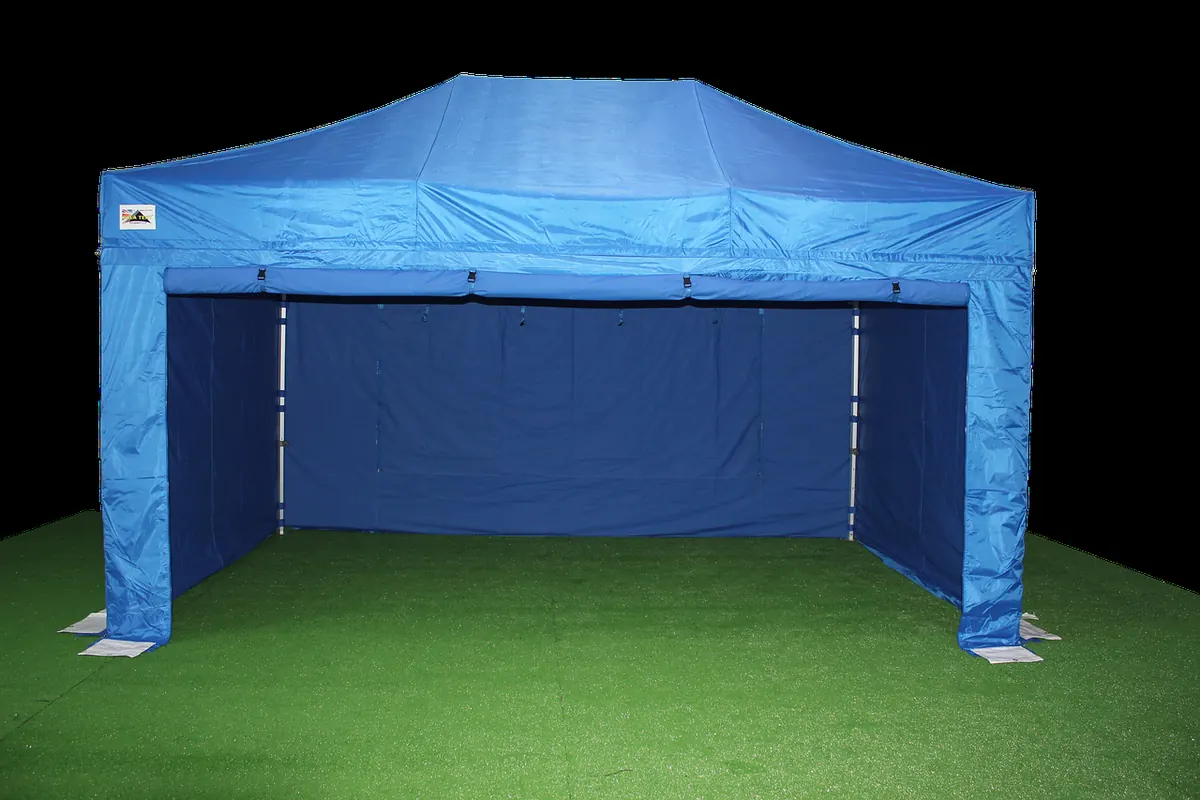
Build three tiers and decide the trigger in advance. Tier one: shift indoors or under cover. Tier two: add side walls, heaters and windbreaks. Tier three: postpone. Write the trigger down — for example, "if gusts are forecast above the level our marquee is rated for at 3pm, we move inside" — so that at five o'clock you are executing a decision, not negotiating one while guests watch the sky.
Check the tide table for your date before invitations go out. Low water can change the entire look of a waterfront setting, expose mud and make small-boat arrivals awkward. Note sunset time too; it moves fast in spring and shifts your lighting plan by more than an hour across the season.
June to August rewards preparation and punishes improvisation. Shade first — shade sails, umbrellas, a covered area that fits the number of guests who will actually want it. Water stations, not just a bar. A sunscreen and insect repellent tray near the entrance. Ice in more places than you think you need.
Give boating guests a written arrival note: which berth, who greets them, where to tie up, and how to board safely. Keep a throw ring, a first-aid kit and life jackets visible. Ask people to leave glass on land — a broken glass on a pontoon is a real hazard. Keep a towel crate by the steps.
Noise is the other summer issue. Warm evenings stretch gatherings past curfews, and sound carries across water in a way that surprises everyone. Brief your team on the cut-off, and let immediate neighbours know the plan before the season starts rather than after the first complaint.
September and October are often the best months on the harbour: warm days, cooler evenings, fewer people. They are also squall season. Move start times earlier as sunset advances, put blankets and heaters on standby, and keep a windbreak within easy reach. Wet leaves on decking are genuinely slippery, so sweep before guests arrive and keep matting at the top of any steps. Book maintenance and marine services now; every boat owner in the harbour has the same idea.
Before any event, walk the route your guests will take, from the car park or the pontoon to their seat. Look for loose cables, wet patches, unlit steps and anything that could blow over. Check the forecast one last time and read the tide. Then check the boring things: ice, towels, bin bags, spare batteries, a charged phone. Do that small circuit every single time and you will catch most problems while they are still trivial. The harbour will do the rest.
Photo: galatent / Pixabay
Previous Post
5 Common Mistakes When Choosing a Waterfront Restaurant for a Special Occasion
Next Post
How to Host a Low-Waste Waterfront Picnic: A Local Guide