How to Evaluate Waterfront Property for Flood Risk: A 7-Point Checklist

Waterfront living comes with a trade-off no listing sheet mentions: the closer you are to the water, the more you need to understand how that water behaves when the weather turns. A view is easy to fall for. A flood zone is harder to argue with. Before you make an offer, while you still have leverage, spend a couple of evenings on documents instead of photos. The seven checks below are the ones that most often change a buyer's decision — or the price they are willing to pay.
Pull the current FEMA Flood Insurance Rate Map panel for the address, and confirm it with the local floodplain administrator. You are looking for the zone. AE and A zones sit inside the 1% annual chance floodplain, VE zones add wave action, shaded X marks the 0.2% chance area, and unshaded X is outside the mapped floodplain. Lenders require flood insurance inside the Special Flood Hazard Area, so zone affects your monthly payment, not just your peace of mind.
Maps are drawn at community scale, not lot scale. A borderline parcel can land on the wrong side of a line, and panels get revised every few years. Treat the map as a starting point and the elevation certificate as the evidence.
An elevation certificate is a surveyor's form showing the ground elevation and the lowest floor elevation relative to the base flood elevation, or BFE. It is the single most useful page in a waterfront purchase, because insurance pricing and building rules both hang off it.
Ask the seller for an existing certificate and check two things: that it is recent, and that it references the current map panel. A certificate tied to an older map revision may describe a property that no longer exists on paper.
If no certificate exists, budget to order one during your inspection period. If the survey shows the house sits higher than the map suggests, a Letter of Map Amendment can sometimes remove the mandatory insurance requirement. Ask the floodplain administrator how that process works locally.
Grading tells you more than any brochure. Walk the property after heavy rain if you can, and find the low point. Is it the driveway, the side yard, the rear patio? Where does water go when it leaves the lot, and who maintains the path it takes? Storm drains, swales, ditches, culverts, tide gates, and pump stations all fail eventually, and each one has an owner — a city, a county, an association, or you.
Check the recorded plat for drainage easements crossing the parcel. An easement means crews can dig, and it means you cannot build there. Then look for evidence of past water: mud lines on siding or fence posts, rust at the base of an outdoor HVAC unit, gravel washed into a corner, mildew that keeps returning. Finally, knock on a neighbor's door. Someone who has lived through three storm seasons will tell you things no inspection report contains.
Standard homeowners policies exclude flood. Get a quote on the specific address before your inspection and financing contingencies expire, and get it from an agent who writes both federal and private flood coverage — the two can differ substantially in cost and in what they will pay for.
Ask for these numbers in writing:
Also ask the seller for the property's flood claims history and request a loss history report. A house that has flooded twice has a story, and repeat losses can push premiums up sharply. Federal disaster aid is not a backup plan; it is typically a loan and it is not guaranteed.
Electrical panels, water heaters, furnaces, and ductwork should sit above the expected flood level, not in the lowest corner. Ask whether the sewer line has a backflow valve and where the sump pump discharges.
Tile and vinyl tolerate a wet floor far better than carpet and hardwood. Impact glass or permanent shutters reduce wind and water intrusion. In homes with an enclosed lower level, look for flood openings in the foundation walls — they equalize pressure during a flood and improve the insurance rating. If you are planning a major renovation, ask about the substantial improvement rule: work costing roughly half the building's value or more can trigger full compliance with current floodplain requirements. That is a construction budget question, not a technicality.
Ask the building department for permits on the address. Unpermitted conversion of a garage or lower level into living space is common on the water, expensive to correct, and often puts a bedroom in the most flood-prone part of the house.
Then ask two forward-looking questions. Is the community's flood map or ordinance under revision? Does the community participate in the National Flood Insurance Program's Community Rating System, which can reduce premiums across the board? Local rules sometimes require more freeboard than the federal minimum, so a house that meets today's standard can fall short in five years — and that cost lands on the owner.
Waterfront homes are worth the trouble. They simply ask you to do the paperwork first. For coverage questions, work with a licensed agent who writes flood policies in that state; for permits and ordinances, the local floodplain administrator is the authority. Everything else is negotiable.
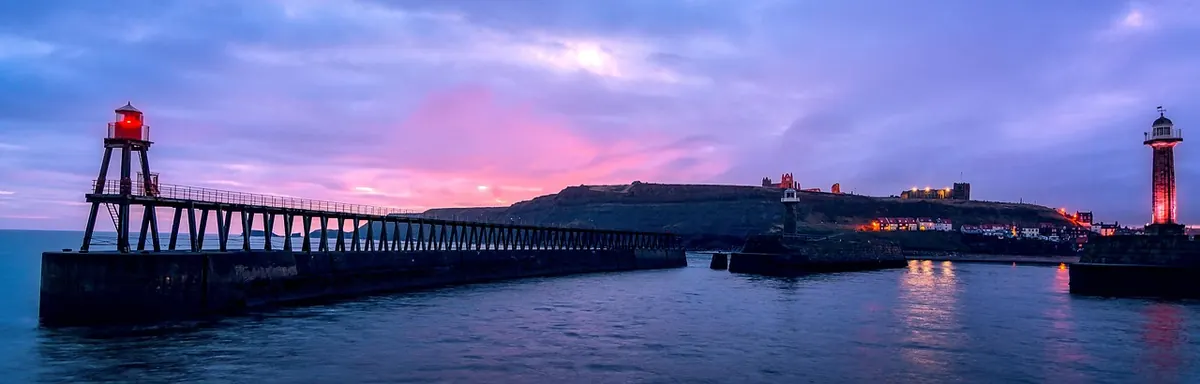
Photo: davegerber / Pixabay